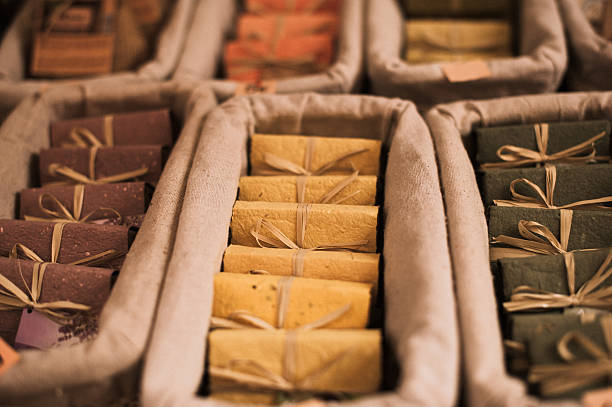
Why DIY Soap is Booming: Craft Natural Bars for Healthy Skin
Have you ever picked up a generic bar of soap at the store, scanned the ingredient list, and wondered what half those chemical-sounding names even were? You're not alone. In an era increasingly focused on natural living, sustainability, and mindful self-care, the world of introductory soap making is experiencing an unprecedented boom. People are rediscovering the profound satisfaction of crafting their own luxurious, natural soap bars, tailor-made for their skin and preferences. What was once seen as a niche hobby is now a thriving movement, driven by a desire for transparency, quality, and a return to basics for healthy skin.
Search trends for "how to make soap at home" have surged, reflecting a collective awakening to the benefits of truly handmade products. While the idea of making soap from scratch might seem daunting at first, often surrounded by myths of complexity and expense, the reality is far more accessible. This guide is designed to cut through the noise, providing beginners with the foundational knowledge to embark on their own rewarding journey into making authentic, natural soap.
The Allure of True Handmade Soap: Beyond Store Shelves
For many, the initial foray into "making soap" might involve a melt and pour base – pre-made blocks that you simply melt, add scents and colors to, and pour into molds. While this can be a fun craft, it's crucial to understand that true handmade soap involves a different, more transformative process. Genuine soap is created through saponification, a chemical reaction between natural oils (like olive, coconut, or shea butter) and sodium hydroxide, commonly known as lye. This process is what yields a completely new substance: real soap, along with nourishing glycerin.
And here's a surprising truth for many: a significant portion of what's sold as "soap" in supermarkets isn't soap at all. Many of these attractive bars are, in fact, synthetic detergents, cleverly formulated and marketed. Often, if you read the fine print, their packaging subtly avoids the word "soap." These detergent bars frequently contain harsh chemicals, artificial fragrances, and unnecessary additives that can strip your skin of its natural moisture, leading to dryness, irritation, and other dermatological concerns. Consider that your skin is your body's largest organ, a permeable barrier that absorbs what you put on it. Opting for natural, handmade soap gives you unparalleled control over what comes into contact with your skin, empowering you to choose ingredients that soothe, nourish, and protect.
The beauty of crafting your own soap lies in this control. You select high-quality, beneficial oils and butters, avoiding the artificial dyes, strong perfumes, and parabens often found in commercial products. This makes DIY soap a superior choice not just for personal use, but also for creating thoughtful, customized gifts. If you're ready to understand the foundational chemistry and safety behind this rewarding craft, you might find our article Start True Handmade Soap Making: Your Beginner's Lye Guide incredibly helpful as your next step.
Demystifying the "Intimidating" Start: Budget-Friendly Basics for Beginners
The notion that soap making is an expensive hobby is a common misconception that often deters enthusiastic beginners. While it's certainly possible to invest in elaborate equipment, fancy molds, and exotic ingredients, getting started requires surprisingly little. For those simply looking to make beautiful, natural soap for personal use or as gifts, a "bare minimum" approach is perfectly viable and budget-friendly.
Here’s what you truly need for introductory soap making, focusing on the cold process method, without breaking the bank:
- Safety Gear: This is non-negotiable. Always wear gloves, safety glasses, and long sleeves when working with lye. These are inexpensive and readily available.
- Lye-Safe Containers: You absolutely do not need specialized, expensive soap making pitchers or bowls. Lye (sodium hydroxide) is safely handled in stainless steel or specific plastics. Look for plastic containers with the recycling logo #5 (often found on empty yogurt, cottage cheese, or sour cream tubs). These are food-grade and perfectly safe for mixing and storing your lye solution. Repurposing these items is not only smart but also eco-friendly!
- Accurate Scale: Soap making is a precise science, so a digital kitchen scale is essential for accurately measuring oils, lye, and water.
- Stick Blender: While you can hand-stir, a cheap immersion blender (stick blender) drastically speeds up the process and helps achieve "trace" more quickly.
- Heat-Proof Spatulas and Utensils: Silicone spatulas are excellent for mixing and scraping.
- Distilled Water: For your lye solution, distilled water is preferred. Hard water or water with high mineral content can sometimes cause unpredictable reactions or affect the final soap quality. A gallon from any grocery store is usually under a dollar.
- Common Oils: You don't need a pantry full of rare oils. Many beginners start with readily available and affordable options like olive oil, coconut oil, and even rendered lard or tallow. These form the backbone of many fantastic soap recipes. Cocoa butter and castor oil are also popular additions that provide wonderful skin benefits.
By leveraging items you might already have or can acquire cheaply, you can significantly reduce your initial outlay. For more detailed practical advice on keeping costs down and maintaining safety, be sure to check out our article: DIY Cold Process Soap: Budget-Friendly Tips & Lye Safety for Beginners.
Crafting for Health: Why Natural Ingredients Matter
The beauty of making your own soap goes beyond the creative satisfaction; it’s a deliberate choice for healthier skin. When you control the ingredients, you eliminate the guesswork and actively choose nourishing components. Your skin absorbs a portion of what it comes into contact with, so feeding it quality, natural ingredients is paramount. This is where the true power of DIY soap making shines.
Consider the core ingredients:
- Natural Oils and Butters: Instead of synthetic fillers, your soap base is comprised of nutrient-rich fats.
- Olive Oil: A classic in soap making, it creates a gentle, moisturizing bar that's excellent for sensitive skin. Rich in antioxidants, it conditions and protects.
- Coconut Oil: Renowned for its cleansing properties and ability to produce abundant, fluffy lather. It provides hardness to the bar.
- Castor Oil: A super-fatting agent that adds creaminess to the lather and moisturizing qualities.
- Cocoa Butter: Offers rich, emollient properties, making soap extra conditioning and helping to create a harder bar.
- Lard or Tallow: Often overlooked in modern recipes, these traditional fats (rendered animal fats) produce exceptionally hard, long-lasting bars with a creamy lather, incredibly similar to our skin's natural oils. They are often very affordable and sustainable, especially if rendered from trim.
- No Unnecessary Additives: With homemade soap, you avoid common irritants like artificial dyes, harsh synthetic fragrances, phthalates, parabens, and sulfates found in many commercial products. You can choose natural colorants like clays or botanicals, and scent your bars with pure essential oils if desired, or leave them unscented for the most sensitive skin.
- Glycerin Retention: A natural byproduct of the saponification process, glycerin is a humectant, meaning it draws moisture to the skin. Commercial soap manufacturers often remove glycerin to sell it as a separate product. Handmade soap, however, retains all its natural glycerin, contributing to its superior moisturizing properties and leaving your skin feeling soft and hydrated, not tight and dry.
By embracing introductory soap making, you're not just creating a cleaning product; you're crafting a skincare solution tailored to promote healthy, happy skin. It’s an act of self-care that reaps tangible benefits, allowing you to personalize your routine and provide your skin with the pure, gentle care it deserves.
Taking the Plunge: Your Introductory Soap Making Journey Begins
The rising interest in natural living and self-care has made introductory soap making more popular and accessible than ever. What begins as a curiosity about making soap at home often blossoms into a fulfilling hobby, a source of thoughtful homemade gifts, or even the foundation for a small business. The feeling of holding a bar of soap you made yourself, knowing every ingredient that went into it, is incredibly satisfying.
You’ve learned that true soap involves a fascinating chemical transformation, not just melting and molding. You’ve discovered that getting started doesn't require a hefty investment, but rather a few basic tools and a commitment to safety. Most importantly, you now understand the profound benefits of natural ingredients for your skin, allowing you to avoid the harsh chemicals prevalent in many store-bought options. Whether your motivation stems from a desire for a creative outlet, a more sustainable lifestyle, or simply healthier skin, the journey into soap making is rich with rewards.
So, gather your ingredients, prepare your workspace, and embrace the adventure. The world of DIY soap making is waiting for you, offering endless possibilities for customization and the joy of crafting something truly special with your own hands. Your skin, and perhaps even your loved ones, will thank you for it.
